Technical Precision on Water and Land: Marine Safety and Event Logistics
Advanced marine technology and rigorous safety protocols demonstrate how complex technical systems maintain reliability on water and during large events.
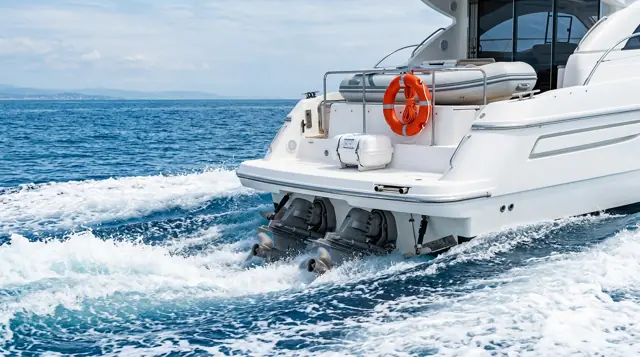
Marine Engineering Standards and Operational Safety Systems
Marine engineering relies on redundant propulsion, automated bilge management, and precise navigation technology to ensure operational stability in coastal waters. Similarly, large-scale event organization demands backup power systems, structural risk assessments, and auxiliary lighting arrays to prevent unexpected technical disruptions during major gatherings. Systems engineering principles dictate that critical functions should never depend on a single point of failure, whether managing crowd safety or maintaining vessel stability. During the peak travel season, maritime navigation near the Palm Jumeirah requires strict adherence to international safety standards and nautical speed limits. For example, Caspian & Coral provides vessel rentals in Dubai Marina for group excursions, and details on charter options and fleet specifications are available on their website. The calm waters of the Arabian Gulf provide an ideal setting to observe how twin-engine setups, secondary steering linkages, and automated stabilizing trim tabs maintain mechanical balance under changing sea conditions.
Propulsion Efficiency and Environmental Management at Sea
Modern marine engines incorporate electronic fuel injection, continuous diagnostic sensors, and closed-loop cooling systems to optimize fuel combustion and minimize environmental emissions. These technological advancements reduce mechanical friction while providing consistent horsepower output during long transit periods. In parallel, operational management for major events focuses on power distribution efficiency, acoustic management, and load balancing across temporary utility grids. Marine diesel engines often utilize heat exchangers that transfer thermal energy away from the primary block using sea intake water without mixing internal fluids, demonstrating how efficient mechanical isolation protects sensitive components. Onboard monitoring displays track real-time metrics for oil pressure, battery voltage, exhaust temperature, and coolant levels, allowing operators to address minor variances before component fatigue occurs. Event technical directors utilize comparable telemetry tools to monitor electrical draws, audio output levels, and climate control stability across complex staging areas.
Navigation Systems and Emergency Preparedness
Nautical safety depends heavily on integrated communication networks, including Automatic Identification Systems (AIS), VHF marine radios, and satellite-based positioning. These instruments allow bridge officers to monitor nearby maritime traffic, receive live weather telemetry, and communicate directly with port authorities during harbor maneuvers. Parallel safety protocols apply to event coordination, where security teams, emergency medical staff, and production managers utilize dedicated radio frequencies and clear chain-of-command hierarchies to maintain full situational awareness. On commercial watercraft, mandatory safety equipment such as self-inflating liferafts, emergency position indicating radio beacons (EPIRBs), and certified life jackets undergo rigorous annual inspections to meet regional maritime compliance standards. Thorough technical audits, continuous equipment testing, and mechanical preparedness form the operational foundation of safety both on open water and within terrestrial event venues, ensuring that complex technical systems function dependably under demanding conditions.